


-

Add: HeBei ShengShi HongBang Cellulose Technology CO.,LTD.
-

Email
13180486930@163.com -

CONTACT US
+86 13180486930
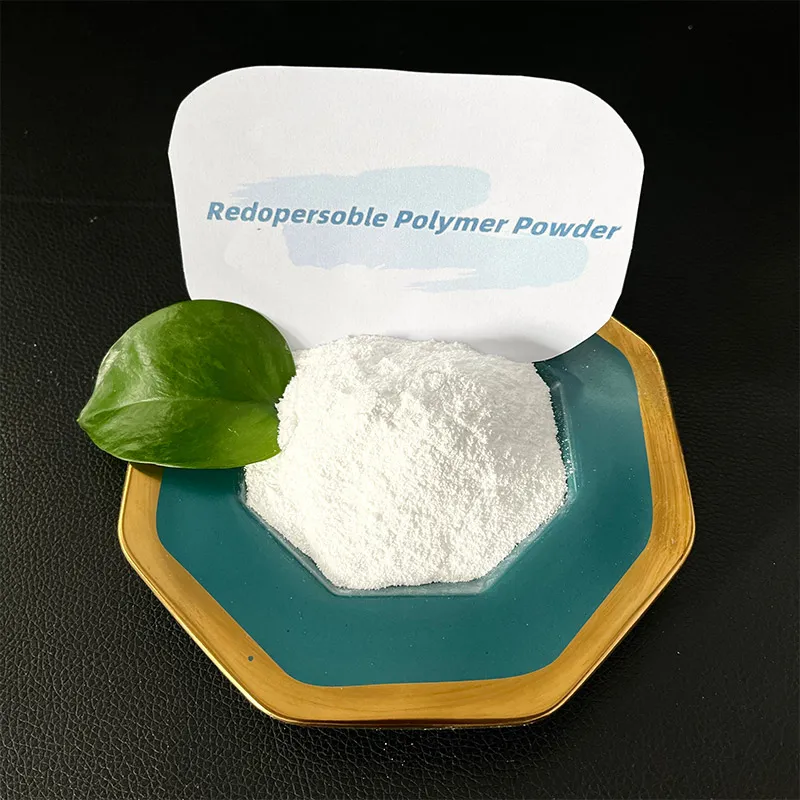




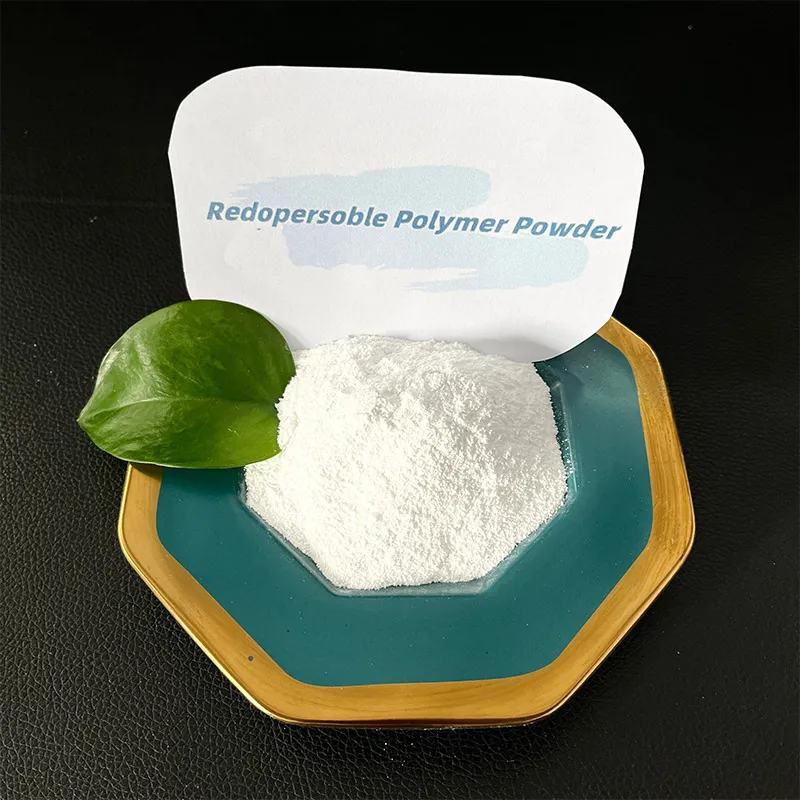
Polimer Un Taği Zamonaviy Texnologiyalar va Qishloq Xo‘jaligida Qo‘llanilishi Polimer un taği, zamonaviy materiallar muhitida muhim o‘rin tutadi. U polimerlarning mikroskopik qismlaridan tashkil topgan bo‘lib, ko‘plab sohalarda qo‘llaniladi, ayniqsa qishloq xo‘jaligida. Ushbu maqolada polimer un tağinin nimadan iboratligi, uning xususiyatlari va afzalliklari haqida so‘z yuritamiz. Polimer un taği, asosan, plastik materiallardan yaratiladi. Un taği sifatida qo‘llanilishidan maqsad, qishloq xo‘jaligida tuproqni yaxshilash, o‘simliklarni himoya qilish va yig‘im-terim jarayonlarini soddalashtirishdir. Bu materiallar nafaqat o‘simliklar uchun ozuqa manbai bo‘lib xizmat qiladi, balki tuproqning fizik va kimyoviy xususiyatlarini ham yaxshilaydi. . Bundan tashqari, polimer un taği tuproqni mahkamlaydi va uning strukturaviy yaxlitligini ta’minlaydi. Bu, o‘simliklarning ildiz tizimining yanada yaxshi rivojlanishiga yordam beradi. Tuproqning tuzilishi yaxshi bera olishi va havo almashinuvi yaxshi bo‘lishi natijasida, o‘simliklar sog‘lom va kuchli bo‘lib o‘sadi. полимер ұнтағы Polimer un taği, shuningdek, tuproqning kimyoviy xususiyatlarini yaxshilashda ham muhim rol o‘ynaydi. U tuproqdagi minerallarni va boshqa oziq moddalarni eng qiyin sharoitlarda ham saqlab qolish imkonini beradi. Natijada, o‘simliklar uchun zarur bo‘lgan ozuqa moddalarining samarali singishi ta’minlanadi. Qishloq xo‘jaligi sohasida polimer un tağini qo‘llash nafaqat o‘simliklarning samarali o‘sishini ta’minlaydi, balki bu jarayonni iqtisodiy jihatdan ham foydali qiladi. O‘simliklar yuqori hosil berishiga olib kelishi, fermerlar uchun moliyaviy jihatdan foydali bo‘ladi. Shuningdek, bu usul qishloq xo‘jaligida resurslarni tejashga yordam beradi, chunki suv va yeyish quvvatlari ancha samarali ishlatiladi. Shuni ta’kidlash kerakki, polimer un tağinin iste'moli va ishlatilishi ekologik jihatdan ham xavfsizdir. Tobora ko‘proq fermerlar va agronomlar bu materialni tanlaydilar, chunki u tuproqning ekotizimini buzmaydi va tabiatga zarar yetkazmaydi. Demak, polimer un taği nafaqat odamlar uchun, balki atrof-muhit uchun ham foydali materialdir. Xulosa qilib aytganda, polimer un taği zamonaviy qishloq xo‘jaligida juda muhim va foydali materialdir. Uning suvni ushlab turish, tuproqni yaxshilash va o‘simliklar hosilini oshirishdagi o‘rni har bir fermer va agronom uchun ahamiyatlidir. Polimer un tağini qo‘llash orqali qishloq xo‘jaligida samaradorlikni oshirish, istiqbolli kelajakni yaratish mumkin.
- 40000tons

Production
- 20+years

Experience
- 5000+㎡

Acreage

-
Concrete polypropylene fibers have revolutionized the construction landscape, offering an innovative solution to the age-old challenges in building materials. These synthetic fibers bring a myriad of benefits that enhance the structural integrity and durability of concrete infrastructures, and their real-world applications are proving them to be indispensable. In practice, builders and engineers alike have recognized the transformative impact of incorporating polypropylene fibers into concrete mixtures. Through firsthand experience, seasoned professionals have observed that these fibers significantly reduce cracking tendencies. Post-construction, this feature translates to lowered maintenance costs and extended longevity of concrete structures, creating a cost-effective solution in both short-term and long-term scopes. From the standpoint of expertise, it’s crucial to delve into the composition and benefits that make concrete polypropylene fibers stand out. Originating from thermoplastic polymers, these fibers offer high resistance to various physical and chemical impacts. The expert consensus highlights the fibers’ strength in enhancing resistance to freeze-thaw cycles, a common concern in regions with fluctuating climates. By reinforcing the concrete matrix, polypropylene fibers decrease permeability and offer enhanced protection against water infiltration, thus maintaining the structural integrity over time. In laboratory environments, precise tests have consistently demonstrated the advantages of these fibers. Researchers specializing in materials science have empirically validated that polypropylene fibers improve impact resistance and mitigate splitting, especially in high-traffic areas like pavements and industrial floors. These findings are corroborated by data showing reduced occurrences of micro-cracking during the curing process, setting a new benchmark in concrete durability. Authoritative bodies in the construction industry have recognized the benefits of using polypropylene fibers, therefore endorsing their use through updated building codes and standards. Organizations such as the American Concrete Institute (ACI) and the British Standards Institution (BSI) have integrated guidelines that recommend the use of synthetic fibers for concrete reinforcement. This endorsement not only reflects the growing trust in these materials but also guides best practices in application techniques. concrete polypropylene fibers Credibility in using concrete polypropylene fibers is further established through numerous successful projects globally. An exemplar is the construction of high-rise buildings in seismic zones, where the fiber-reinforced concrete has provided enhanced structural stability. Engineers involved in these projects report that the fibers allow for more flexible and adaptive designs, accommodating various architectural specifications without compromising safety or quality. Bringing a practical perspective, contractors with extensive field experience often highlight the ease of using polypropylene fibers during concrete mixing and pouring. Unlike traditional reinforcement methods, these fibers distribute uniformly throughout the mix, ensuring comprehensive protection and reinforcement. This uniformity contributes to a smoother preparation process and ultimately, superior finish quality in architectural applications. Trust in polypropylene fibers is also underscored by their environmental benefits . As sustainable building practices gain traction, these fibers contribute to eco-friendly construction goals by potentially reducing the need for other less sustainable reinforcement materials. Their production and integration result in a smaller carbon footprint, making them a fitting choice for projects aiming for green certifications and reduced environmental impact. In conclusion, the integration of concrete polypropylene fibers marks a significant advancement in modern construction practices, addressing long-standing challenges with innovative solutions. Professionals armed with both empirical evidence and field data assert that these fibers deliver unparalleled benefits in terms of durability, cost-efficiency, and environmental impact. As industry standards continue to evolve, the reliance on, and trust in, polypropylene fibers is poised to grow, positioning them as a key component in the future of sustainable and resilient construction.
-
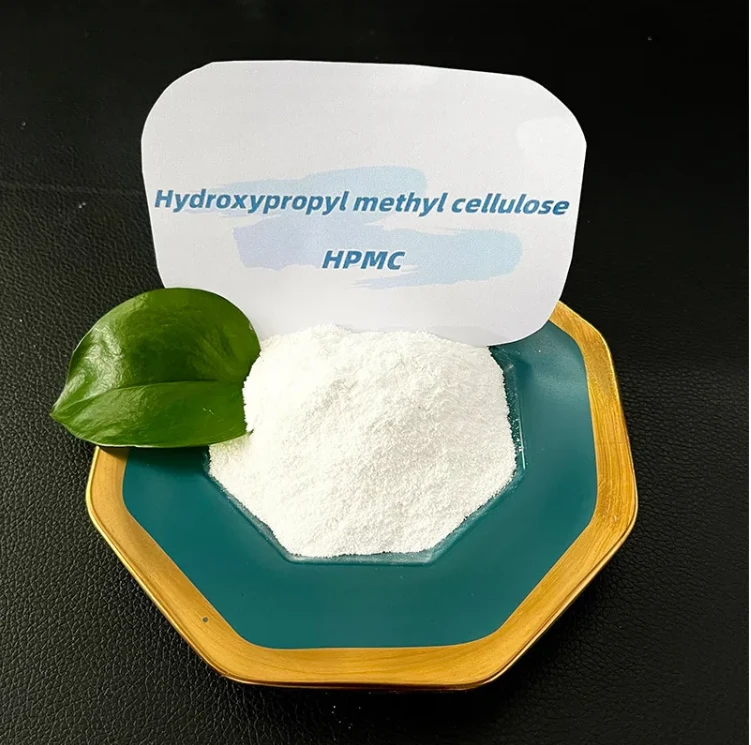
In the realm of pharmaceutical and food industries, Hydroxypropyl Methylcellulose (HPMC) has emerged as a pivotal component. Its Material Safety Data Sheet (MSDS) is an essential tool for experts aiming to ensure safe handling and application. Delving into HPMC’s characteristics, professionals establish its credibility, owing to its multifaceted applications and safety profile. HPMC, a non-ionic cellulose ether, boasts significant versatility as an excipient in pharmaceuticals, a stabilizer in food products, and a key ingredient in personal care items. The substance is renowned for its viscosity, thickening properties, and water solubility, making it indispensable in various industrial processes. With an MSDS, industries gain a comprehensive understanding of how to leverage HPMC without compromising safety or effectiveness. Professionals with experience in the pharmaceutical field recognize the critical role of HPMC in controlled release medication. Its ability to modulate drug release rates in hydrophilic matrices exemplifies advanced pharmaceutical technology. This expertise is supported by documented evidence, enhancing HPMC’s authoritative stance within the industry . An MSDS serves as a testament to such applications, detailing essential safety measures and best practices for utilization. From a food safety perspective, HPMC ensures that products maintain their stability and texture during storage and consumption. As a hydrocolloid, it acts as an emulsifier, suspending agent, and thickener, reflecting professional expertise in food science. To uphold authoritativeness, specialists consistently turn to MSDS documentation, as it guarantees adherence to safety and quality standards demanded by consumers and regulatory bodies alike. hpmc msds In personal care formulations, HPMC is trusted for its film-forming capabilities, promoting smooth application and moisture retention in products like lotions and shampoos. Its role in creating a pleasant user experience hinges on its unique chemical properties detailed within the MSDS. This document serves as a cornerstone of trust, assuring both manufacturers and consumers of the ingredient’s safety and efficacy. Adhering to safety practices delineated in an MSDS is non-negotiable for ensuring HPMC’s responsible application. This document details critical information about storage conditions, handling precautions, and emergency procedures. By meticulously following these guidelines, industries can bolster their trustworthiness amongst stakeholders, thereby reinforcing their reputation and adherence to global safety standards. Equipped with expertise, authority, and empirical data, specialists across sectors depend on the MSDS of HPMC to make informed decisions. This reliance illustrates an earnest commitment to maintaining high standards of application, safety, and effectiveness. As a key contributor to innovation and quality, HPMC continues to influence the future of multiple industries, sustained by the confidence provided through comprehensive safety data. In summary, the significance of HPMC’s MSDS extends beyond regulatory compliance; it underpins the integrity of its applications across diverse domains. Ensuring a seamless blend of experience, expertise, authority, and trustworthiness, the document builds a robust framework for responsible usage and continuous innovation. As industries continue to evolve, the MSDS remains a critical resource, facilitating the safe and effective integration of HPMC into new and existing products.
advantages
-

200000 Viscosities
Excellent product
We can produce pure products up to 200,000 viscosities
-

40000 tons
High yield
We don’t stop production all year round, and the annual output can reach 40,000 tons
-

24 hours
Quality service
We provide 24-hours online reception service, welcome to consult at any time
———— Inquiry Form
Schedule A services




- cryogenic_rubber_powder
Oct . 25, 2025
When it comes to tile installation in high-moisture areas such as bathrooms, kitchens, and outdoor e -
 hormigon_armado_con_polifibra
Oct . 25, 2025
The Rise of Manufactured Synthetic Fibers Transforming the Textile Industry In today’s modern world, -
 hydroxypropyl_methylcellulose_thickener
Oct . 25, 2025
Hydroxypropyl Methyl Cellulose Ether Applications and Benefits Hydroxypropyl methyl cellulose ether


